

Neoprene gaskets
Neoprene gaskets, solid and sponge.
Neoprene stands up to weather, ozone, seawater and moderate oils, and resists burning. We cut neoprene gaskets, washers and pads to your drawing from solid neoprene rubber, closed-cell neoprene foam and neoprene-bonded cork.
- Solid neoprene rubber we cut
- 1 to 25 mm
- Neoprene foam we cut
- 1 to 5 mm
- Typical service range of neoprene
- -40°C to +100°C
Why neoprene
Why neoprene is a versatile gasket rubber.
Neoprene is the best-known name for polychloroprene, or CR, a synthetic rubber first made in the 1930s as an oil-resistant alternative to natural rubber. The chlorine in its structure is the key to its character: it protects the rubber from ozone and sunlight, gives it a degree of resistance to oils and greases, and makes it reluctant to burn.
That balance makes neoprene the all-rounder of gasket rubbers. It seals outdoor enclosures, marine equipment, refrigeration and ventilation plant, and electrical housings, and it stays elastic from about -40°C to +100°C. It is tough, resists tearing and abrasion, and cuts cleanly into gaskets, washers and pads.
It is a compromise, though. Nitrile beats it in oil and fuel, EPDM outlasts it outdoors and in hot water, and silicone goes hotter and colder. Our guide to rubber gasket materials compares them side by side.
All rubber gasket materialsProperties
Neoprene properties for gasket design.
These are typical values for solid neoprene sheet, for comparing materials at the design stage. Commercial and specification grades differ widely in strength and in what they resist, and the data sheet for the grade we supply applies to your part.
For most gaskets, the deciding figures are the service temperature and the oil resistance: neoprene copes with occasional contact with mineral oil and grease, but not with fuels or with constant immersion in hot oil.
Neoprene gaskets cut to your drawingSolid neoprene: typical properties
General values, not a specification
| Property | Typical value |
|---|---|
| General | |
| Polymer | Polychloroprene (CR) |
| Density | 1.3 to 1.6 g/cm³, by compound |
| Mechanical | |
| Hardness | 40 to 80 Shore A; 60 to 70 Shore A is common |
| Tensile strength | 3 to 17 MPa, by grade |
| Elongation at break | 200% to 500% |
| Compression set | Low to moderate, by grade |
| Thermal | |
| Service temperature | -40°C to +100°C |
| Short-term peak | About +120°C |
| Flame | Self-extinguishing in many grades |
| Resistance | |
| Ozone, sunlight and weather | Good |
| Fresh water and seawater | Good |
| Mineral oils and greases | Moderate |
| Attacked by | Fuels, ketones, esters, aromatic and chlorinated solvents, strong oxidising acids |
General
- Polymer
- Polychloroprene (CR)
- Density
- 1.3 to 1.6 g/cm³, by compound
Mechanical
- Hardness
- 40 to 80 Shore A; 60 to 70 Shore A is common
- Tensile strength
- 3 to 17 MPa, by grade
- Elongation at break
- 200% to 500%
- Compression set
- Low to moderate, by grade
Thermal
- Service temperature
- -40°C to +100°C
- Short-term peak
- About +120°C
- Flame
- Self-extinguishing in many grades
Resistance
- Ozone, sunlight and weather
- Good
- Fresh water and seawater
- Good
- Mineral oils and greases
- Moderate
- Attacked by
- Fuels, ketones, esters, aromatic and chlorinated solvents, strong oxidising acids
Typical published values for solid neoprene. Ask for the data sheet of the grade we supply.
What we cut
Neoprene gaskets we cut.
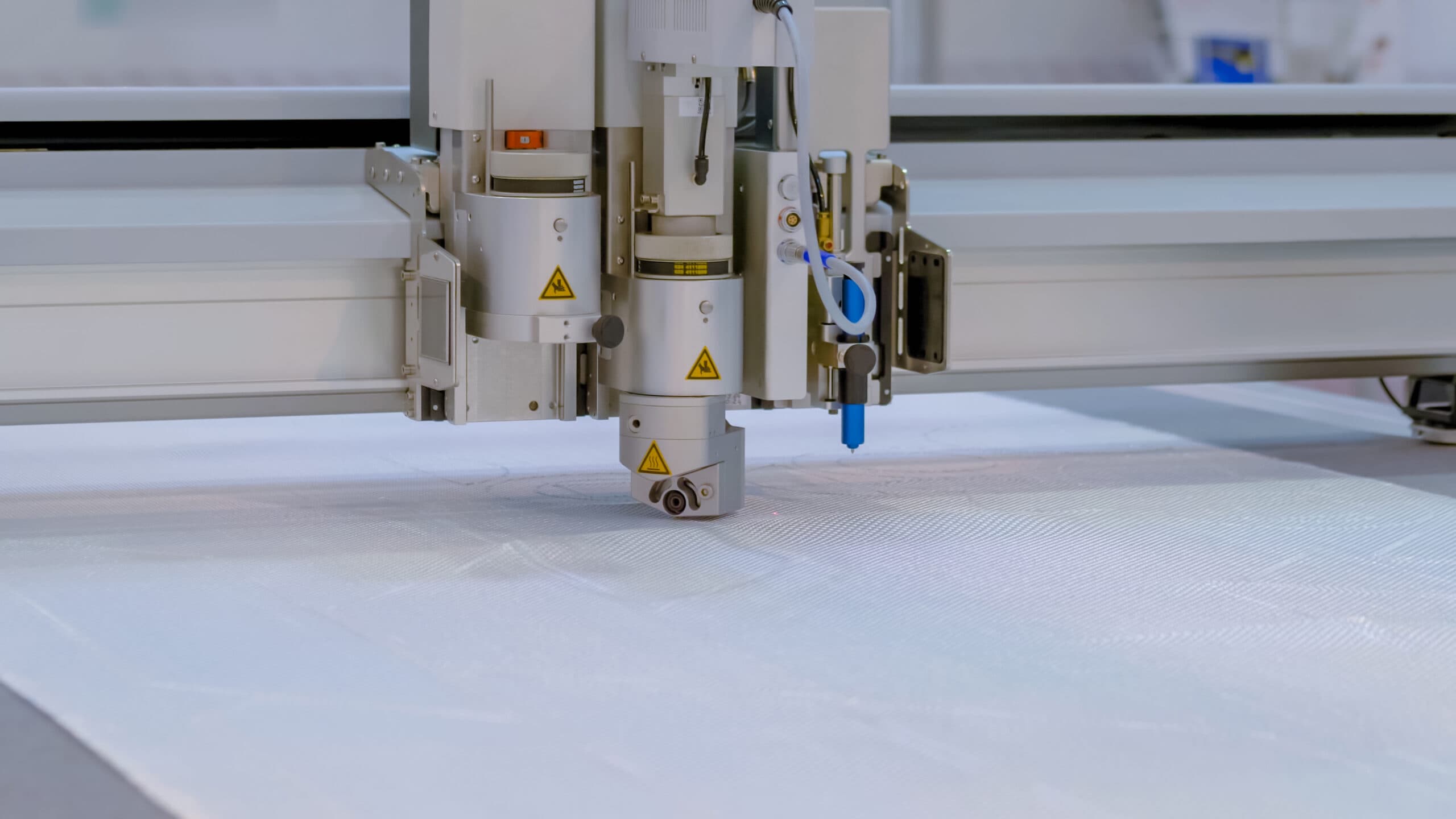
We cut neoprene in three forms. Solid neoprene rubber is for bolted joints, washers and pads. Closed-cell neoprene foam seals enclosures and panels at a light load. Neoprene-bonded cork combines cork's compressibility with neoprene's resilience, for covers and housings; our page on rubber-bonded cork gaskets explains it.
Tell us the size, tolerance, quantity and service conditions, and we will confirm the grade, hardness and cutting method. Foam and thin sheet can be supplied with an adhesive backing, and as kiss-cut parts on a liner.
Cut to your drawing
Gaskets, washers, pads, strips and complex profiles.
Solid, foam or cork
We help you choose the form that suits the joint.
Neoprene from PSG
Materials and thicknesses
| Material | Available thicknesses |
|---|---|
| Solid neoprene rubber | 1.000 to 25.000 mm |
| Neoprene foam (closed cell) | 1.000 to 5.000 mm |
| Neoprene-bonded cork | 0.800 to 9.500 mm |
| Hardness | Confirmed with the quotation |
| Adhesive backing | On request |
| Cutting | Die cut or water jet cut, by thickness |
- Solid neoprene rubber
- 1.000 to 25.000 mm
- Neoprene foam (closed cell)
- 1.000 to 5.000 mm
- Neoprene-bonded cork
- 0.800 to 9.500 mm
- Hardness
- Confirmed with the quotation
- Adhesive backing
- On request
- Cutting
- Die cut or water jet cut, by thickness
Other grades and thicknesses on request.
Applications
Where neoprene gaskets are used.
Neoprene earns its place wherever a seal lives outdoors, near the sea or near light oil, and must not feed a fire.
- Marine & Subsea
Marine
Marine and offshore equipment
Hatch, cabinet and equipment seals that resist seawater, spray and sunlight.
Electrical
Electrical enclosures
Door and cover gaskets that keep dust and water out of control panels and junction boxes.
HVAC
Refrigeration and ventilation
Seals and pads for ductwork, air handlers and refrigeration plant.
- Automotive
Automotive
Vehicles and plant
Gaskets, grommets and anti-rattle pads that meet road spray and light oil.
- Industrial
Industrial
Machinery
Vibration pads, washers and cover gaskets for general machinery.
Buildings
Construction and glazing
Weather seals, setting pads and isolating washers between dissimilar materials.
Alternatives
Neoprene, nitrile or EPDM for your gasket?
These three rubbers are often specified for the same jobs. Choose what the gasket has to cope with to see which qualifies.
What does the gasket meet?
Choose properties to find the right material. 3 materials compared.
| Requirement | Neoprene | Nitrile | EPDM |
|---|---|---|---|
| Mineral oils and greasesNeoprene for occasional contact; nitrile for immersion. | Yes | Yes | No |
| Petrol, diesel and fuels | No | Yes | No |
| Outdoor weather, UV and ozoneEPDM lasts longest outdoors. | Yes | No | Yes |
| Seawater | Yes | Yes | Yes |
| Hot water and steam | No | No | Yes |
| Flame resistance | Yes | No | No |
| Cold below -40°C | No | No | Yes |
| Closed-cell sponge forms | Yes | No | Yes |
General guidance for each rubber family; compounds vary. The data sheet for the grade we supply applies.
Limits
Where neoprene is not the right gasket rubber.
Neoprene's resistance to oil is real but limited. In constant contact with mineral oil, hydraulic fluid or fuel it softens and swells, and a gearbox, sump or fuel system is better served by nitrile, the oil-resistant rubber or by bonded cork.
It is also attacked by ketones, esters, aromatic and chlorinated solvents and strong oxidising acids, and it is not the rubber for steam or for long service above about 100°C. Outdoors and in hot water, EPDM usually lasts longer, and in severe heat or cold, silicone does.
If you are unsure, tell us what the gasket meets. Changing the rubber on a drawing is easy; replacing a failed gasket in service is not.
Talk to our technical teamNeoprene gasket FAQs
Neoprene gasket questions, answered.
Can't find what you need? Our technical team is happy to help.
Is neoprene oil resistant?
Only moderately. Neoprene copes with occasional contact with mineral oil and grease, but it softens and swells if it is immersed for long, especially when hot, and it is not suitable for fuels. For oil-filled housings, gearboxes and fuel systems, nitrile or bonded cork is the better choice.
What temperature can neoprene gaskets withstand?
Standard neoprene is typically used from about -40°C to +100°C, with short peaks to about +120°C. It stiffens as it approaches the bottom of that range, and it ages faster near the top. The data sheet for the grade we supply gives its rated limits.
Neoprene or EPDM for outdoor seals?
Both weather well, but EPDM generally lasts longer in sunlight and ozone, copes with hot water and steam, and stays flexible at lower temperatures. Choose neoprene when the seal may also meet light oil or grease, or where flame resistance matters, because EPDM swells in oil.
Is neoprene waterproof?
Solid neoprene and closed-cell neoprene foam do not absorb water, and both seal against rain, splash and seawater. Open-cell foams are different: they soak up water like a sponge, so for a watertight seal, specify solid neoprene or a closed-cell grade.
Can you supply self-adhesive neoprene gaskets?
Yes. Neoprene foam and thin neoprene sheet can be supplied with a pressure-sensitive adhesive on one face, so the gasket stays in place while the part is assembled. Tell us the surface it will stick to and the temperature in service, and we will suggest a suitable adhesive.
What thicknesses of neoprene can you cut?
We cut solid neoprene rubber from 1 to 25 mm, closed-cell neoprene foam from 1 to 5 mm and neoprene-bonded cork from 0.8 to 9.5 mm. If you need a thickness outside those ranges, ask us and we will check what is available.
Have a neoprene gasket to specify?
Send us the drawing, the service conditions and the quantity, and our technical team will confirm the grade and quote for the cut parts.
Gasket and shim materials
More materials and methods
Viton™ is a trademark of The Chemours Company. Klingersil® is a trademark of Klinger. Other names are the trademarks of their owners.
- Read more
Gasket and sealing materials
Rubber gaskets
Every common elastomer compared, plus insertion, natural and butyl rubber.
- Read more
Gasket and sealing materials
Nitrile gaskets
The standard rubber for oil, fuel and hydraulic fluid.
- Read more
Gasket and sealing materials
EPDM gaskets
Weather, water and steam resistant rubber seals.
- Read more
Gasket and sealing materials
Viton™ (FKM) gaskets
Fluoroelastomer seals for fuels, chemicals and heat.
- Read more
Gasket and sealing materials
Silicone gaskets
Solid, sponge and food-grade silicone for heat and cold.
- Read more
Gasket and sealing materials
PTFE gaskets
Chemically inert gaskets, washers and shims.
- Read more
Gasket and sealing materials
Cork gaskets
Nitrile and neoprene bonded cork for covers and housings.
- Read more
Gasket and sealing materials
Gasket paper and fibre
Compressed fibre, Klingersil® and fibre jointing.
- Read more
Gasket and sealing materials
Foam gaskets
Closed-cell foams and sponge for sealing and cushioning.
- Read more
Electrical insulation and thermal
Electrical insulation materials
Papers, films and sheet cut into insulators.
- Read more
Plastics and components
Engineering plastics
Nylon, acetal, polycarbonate and PVC parts to drawing.
- Read more
Cutting methods
Die cutting
Flatbed and rotary die cutting, prototype to volume.
Our customers