

Cork gaskets
Cork gaskets that compress without spreading.
Rubber-bonded cork seals oil-filled covers, sumps and transformer tanks at a light bolt load, and because cork is mostly trapped gas it gets thinner under load instead of squeezing out sideways. We cut nitrile-bonded and neoprene-bonded cork gaskets and washers to your drawing.
- Bonded cork thicknesses we cut, by grade
- 0.8 to 25 mm
- Typical service range of bonded cork
- -30°C to +120°C
Why cork
Why cork makes a forgiving gasket.
Cork is the bark of the cork oak, and most of its volume is gas sealed inside millions of tiny closed cells. Squeeze it and the cells shrink rather than the material flowing outwards, so a cork gasket gets thinner without spreading across the flange. Release the load and the cells push back. Solid rubber behaves differently: it is almost incompressible, so it can only seal by bulging sideways.
On its own, natural cork crumbles and dries out. Gasket cork is made by grinding clean cork into granules and bonding them with a synthetic rubber, usually nitrile or neoprene (polychloroprene). The rubber holds the granules together, adds flexibility and sets the resistance to oil and weather, while the cork provides the compressibility. The result is often called rubberised cork or cork rubber.
That suits joints other materials find awkward: pressed-steel covers that bow between the bolts, cast faces that are not quite flat, and long gaskets sealed at a light clamping load. Cork is not a pressure or high-temperature material, though. Where oil and fuel duties go beyond cork, our guide to nitrile rubber gaskets is the next step.
Cork and other materials comparedProperties
Rubber-bonded cork grades: typical properties.
These are typical values for general-purpose gasket grades of nitrile-bonded and neoprene-bonded cork, for comparing materials at the design stage. Cork compounds vary between manufacturers, and the data sheet for the grade we supply applies to your part.
The figures that matter most are compressibility and recovery. A bonded cork compresses by a fifth to nearly a half of its thickness under a moderate load, several times more than compressed fibre, and springs back most of the way when the load comes off. Neoprene-bonded grades are usually a little softer than nitrile-bonded ones.
Cork gaskets cut to your drawingBonded cork: typical properties
General values, not a specification
| Property | Typical value (Nitrile-bonded / Neoprene-bonded) |
|---|---|
| General | |
| Density | Nitrile-bonded0.6 to 0.9 g/cm³Neoprene-bonded0.5 to 0.8 g/cm³ |
| Hardness | Nitrile-bonded65 to 80 Shore ANeoprene-bonded55 to 75 Shore A |
| Mechanical | |
| Compressibility at 2.76 MPa (ASTM F36) | Nitrile-bonded20% to 35%Neoprene-bonded25% to 45% |
| Recovery (ASTM F36) | Nitrile-bondedAbout 75% to 85%Neoprene-bondedAbout 75% to 85% |
| Tensile strength | Nitrile-bonded1.5 to 3 MPaNeoprene-bonded1 to 2.5 MPa |
| Service | |
| Continuous service temperature | Nitrile-bonded-30°C to +120°CNeoprene-bonded-30°C to +120°C |
| Internal pressure | Nitrile-bondedLow: covers and housingsNeoprene-bondedLow: covers and housings |
| Chemical | |
| Mineral oils, fuels and transformer oil | Nitrile-bondedGoodNeoprene-bondedFair: some oils, not fuels |
| Water and coolants | Nitrile-bondedGoodNeoprene-bondedGood |
| Weather, ozone and sunlight | Nitrile-bondedFairNeoprene-bondedGood |
| Not suited to | Nitrile-bondedStrong acids and alkalis, ketones, aromatic and chlorinated solventsNeoprene-bondedStrong acids and alkalis, ketones, aromatic and chlorinated solvents, fuels |
General
- Density
- Nitrile-bonded0.6 to 0.9 g/cm³Neoprene-bonded0.5 to 0.8 g/cm³
- Hardness
- Nitrile-bonded65 to 80 Shore ANeoprene-bonded55 to 75 Shore A
Mechanical
- Compressibility at 2.76 MPa (ASTM F36)
- Nitrile-bonded20% to 35%Neoprene-bonded25% to 45%
- Recovery (ASTM F36)
- Nitrile-bondedAbout 75% to 85%Neoprene-bondedAbout 75% to 85%
- Tensile strength
- Nitrile-bonded1.5 to 3 MPaNeoprene-bonded1 to 2.5 MPa
Service
- Continuous service temperature
- Nitrile-bonded-30°C to +120°CNeoprene-bonded-30°C to +120°C
- Internal pressure
- Nitrile-bondedLow: covers and housingsNeoprene-bondedLow: covers and housings
Chemical
- Mineral oils, fuels and transformer oil
- Nitrile-bondedGoodNeoprene-bondedFair: some oils, not fuels
- Water and coolants
- Nitrile-bondedGoodNeoprene-bondedGood
- Weather, ozone and sunlight
- Nitrile-bondedFairNeoprene-bondedGood
- Not suited to
- Nitrile-bondedStrong acids and alkalis, ketones, aromatic and chlorinated solventsNeoprene-bondedStrong acids and alkalis, ketones, aromatic and chlorinated solvents, fuels
Typical published values for general-purpose grades; compressibility and recovery to ASTM F36. Ask for the data sheet of the grade we supply.
What we cut
Cork gaskets and washers we cut.
We cut gaskets, washers and seals from two rubber-bonded cork grades, in the thicknesses below. Tell us the size, the tolerance and the quantity, what the gasket will be in contact with and how hot it runs, and we will confirm the grade and the cutting method.
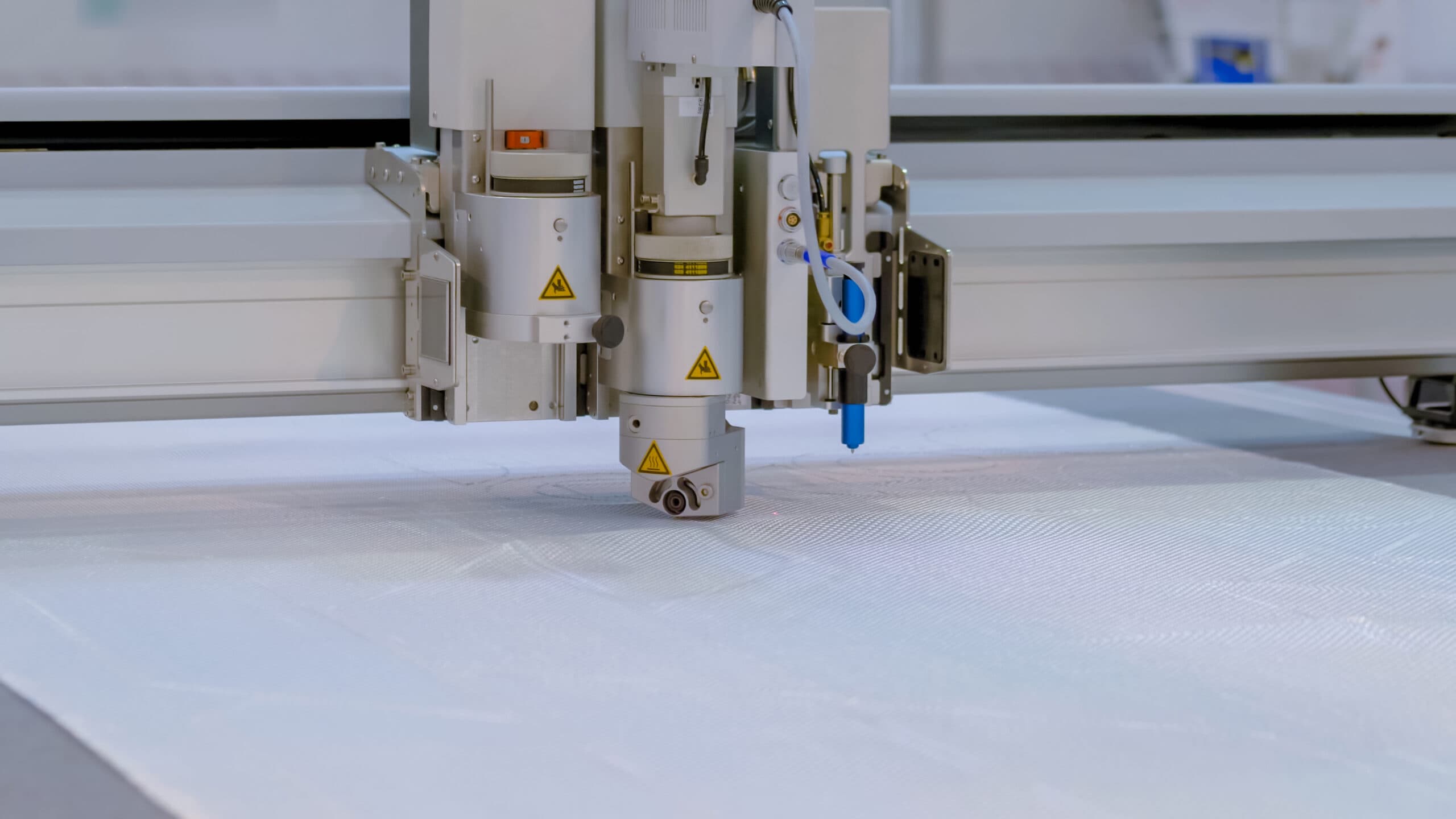
Bonded cork cuts cleanly on a press tool, which makes die cutting the usual route for production runs of cover gaskets, sump gaskets and washers. If your drawing calls for a grade that is not listed, such as a high-temperature or fine-grain cork, our sales team will be happy to help.
Cut to your drawing
Cover and sump gaskets, full gaskets, washers and strips.
Grade advice
We match the binder to the oil, fuel or weather the gasket will meet.
Bonded cork from PSG
Materials and thicknesses
| Material | Available thicknesses |
|---|---|
| Nitrile-bonded cork | 0.800 to 25.000 mm |
| Neoprene-bonded cork | 0.800 to 9.500 mm |
| Parts | Gaskets, washers, seals and strips |
| Cutting | Die cut; other methods by size and quantity |
- Nitrile-bonded cork
- 0.800 to 25.000 mm
- Neoprene-bonded cork
- 0.800 to 9.500 mm
- Parts
- Gaskets, washers, seals and strips
- Cutting
- Die cut; other methods by size and quantity
Other grades and thicknesses on request.
Selection
Bonded cork compared with rubber, fibre and foam.
Cork sits between soft foam and firm compressed fibre. Choose what the joint needs to see where cork fits, and where another material does the job better.
What does the joint need?
Choose properties to find the right material. 5 materials compared.
| Requirement | Nitrile-bonded cork | Neoprene-bonded cork | Nitrile rubber | Compressed fibre | Closed-cell foam |
|---|---|---|---|---|---|
| Seals uneven or lightly bolted covers | Yes | Yes | No | No | Yes |
| Compresses with little sideways spreadSolid rubber cannot change volume, so it bulges out instead. | Yes | Yes | No | Yes | Yes |
| Mineral oil, fuel and transformer oilNeoprene-bonded cork tolerates some oils, but not fuels. | Yes | No | Yes | Yes | No |
| Weather, ozone and sunlightNitrile ages outdoors unless protected; foams vary by type. | No | Yes | No | No | No |
| Internal pressure above a few barCork is for covers, housings and tanks. | No | No | Yes | Yes | No |
| Continuous heat above 150°C | No | No | No | Yes | No |
| Can be refitted after openingCork and fibre take a set and are best replaced. | No | No | Yes | No | No |
General guidance for typical grades. Our technical team will check your choice against the fluid, the temperature and the flange design.

Limits
Limits of cork: temperature and pressure.
Bonded cork is a low-pressure material. It keeps oil and coolant inside covers, housings and tanks, where the internal pressure is usually a few bar at most, and it is not meant for pressurised pipe flanges or steam. There, a compressed fibre gasket or a PTFE gasket takes over.
Heat is the other limit, and the rubber binder sets it. General-purpose nitrile-bonded and neoprene-bonded grades are typically rated for continuous service up to about 120°C. Above that the binder hardens, the cork loses its spring and the gasket takes a permanent set. Special grades bonded with heat-resistant elastomers go higher; ask us before you specify one.
Cork also dislikes being over-compressed. Squeezed beyond about half its thickness, the cells are crushed and the gasket cannot recover, so wherever the bolt load is hard to control, the joint should limit the squeeze with bolt sleeves, a groove or a metal-to-metal stop.
Cork is for covers and housings: low pressure, moderate heat and a light, even bolt load.Talk to our technical team
Fitting
Storing and fitting cork gaskets.
Cork gaskets are forgiving to fit, but a few habits make the difference between a dry joint and a weeping one.
Store flat, cool and sealed
Keep cork gaskets flat in their packaging, away from heat, sunlight and ozone from electric motors. Cork shrinks in warm, dry air and swells slightly in damp air, so normal room conditions suit it best.
Fit to clean faces
Remove every trace of old gasket and sealant, and fit cork dry: thick sealant stops it compressing evenly.
Tighten evenly, in stages
Tighten in a cross pattern to the equipment maker's figure. Over-tightening crushes cork, splits it at the bolt holes and pushes it out between the bolts.
Match the thickness to the faces
Thin cork suits flat, machined faces; thicker cork takes up the bow in pressed-steel covers and rough castings. Solid and foam alternatives are covered in our neoprene gasket guide.
Replace rather than reuse
Once compressed and heat cycled, cork takes a permanent set and may not seal a second time. Fit a new gasket whenever the joint is opened.
Applications
Where cork gaskets are used.
Cork earns its place on oil-filled covers and housings that need a soft, low-pressure seal at a light bolt load.
- Automotive
Automotive
Engines and gearboxes
Rocker and valve covers, sumps, timing covers, gearbox and axle covers.
- Energy & Renewables
Energy
Transformers and switchgear
Tank lids, inspection covers and bushings on oil-filled transformers, control gear and cable boxes.
- Industrial
Industrial
Pumps and gear housings
Oil and water pump covers, gear housings and inspection doors.
Engines
Diesel and gas engines
Crankcase and inspection doors on stationary and off-highway engines.
- Marine & Subsea
Marine
Marine machinery
Covers and housings on main and auxiliary engines and gearboxes.
Electrical
Electrical enclosures
Cable boxes and terminal covers sealed against dust and moisture.
Cork gasket FAQs
Cork gasket questions, answered.
Can't find what you need? Our technical team is happy to help.
What is rubberised cork?
Rubberised cork is granulated cork bonded with a synthetic rubber, usually nitrile or neoprene. The cork gives compressibility, because its closed cells shrink under load instead of spreading, and the rubber gives strength, flexibility and resistance to oil or weather. It is also sold as cork rubber or rubber-bonded cork, and it is what cork gaskets are made from today.
Nitrile-bonded or neoprene-bonded cork?
Choose nitrile-bonded cork for mineral oils, fuels and transformer oil: it is the usual grade for engine covers, gearboxes and transformers. Choose neoprene-bonded cork where the gasket meets weather, ozone and sunlight with only light oil splash, or where a slightly softer gasket is needed. If you are unsure, tell us the fluid and the temperature and we will recommend one.
What temperature can cork gaskets take?
General-purpose nitrile-bonded and neoprene-bonded cork is typically rated from about -30°C to +120°C in continuous service. Above that the rubber binder hardens and the gasket takes a permanent set. Special high-temperature grades exist, and the data sheet for the grade we supply gives its rated limits.
Are cork gaskets reusable?
Generally not. Once a cork gasket has been compressed and heat cycled, it takes a permanent set and does not recover its original thickness, so it may not seal a second time. Fit a new gasket whenever the joint is opened. Order spares with the first batch.
How thick should a cork gasket be?
As thin as the faces allow. Flat, machined faces usually seal with 1 to 2 mm of cork; pressed-steel covers that bow between the bolts, and rough or uneven castings, usually need 3 to 6 mm so the cork can fill the gaps. Thicker gaskets relax more under load. We cut bonded cork from 0.8 to 25 mm.
Do cork gaskets need a sealant?
Usually not. Bonded cork is designed to seal dry, and a thick layer of sealant can stop it compressing evenly or let it slide out of the joint. A thin smear of grease, or a light tack adhesive, can hold the gasket in place while the cover goes on. Where the equipment maker specifies a sealant, follow their instructions.
Send us your cork gasket drawing.
Tell us the size, the quantity, the fluid and the temperature, and our technical team will recommend a bonded cork grade and quote for the cut parts.
Gasket and shim materials
More materials and methods
Viton™ is a trademark of The Chemours Company. Klingersil® is a trademark of Klinger. Other names are the trademarks of their owners.
- Read more
Gasket and sealing materials
Rubber gaskets
Every common elastomer compared, plus insertion, natural and butyl rubber.
- Read more
Gasket and sealing materials
Neoprene gaskets
Solid neoprene, neoprene foam and neoprene-bonded cork.
- Read more
Gasket and sealing materials
Nitrile gaskets
The standard rubber for oil, fuel and hydraulic fluid.
- Read more
Gasket and sealing materials
EPDM gaskets
Weather, water and steam resistant rubber seals.
- Read more
Gasket and sealing materials
Viton™ (FKM) gaskets
Fluoroelastomer seals for fuels, chemicals and heat.
- Read more
Gasket and sealing materials
Silicone gaskets
Solid, sponge and food-grade silicone for heat and cold.
- Read more
Gasket and sealing materials
PTFE gaskets
Chemically inert gaskets, washers and shims.
- Read more
Gasket and sealing materials
Gasket paper and fibre
Compressed fibre, Klingersil® and fibre jointing.
- Read more
Gasket and sealing materials
Foam gaskets
Closed-cell foams and sponge for sealing and cushioning.
- Read more
Electrical insulation and thermal
Electrical insulation materials
Papers, films and sheet cut into insulators.
- Read more
Plastics and components
Engineering plastics
Nylon, acetal, polycarbonate and PVC parts to drawing.
- Read more
Cutting methods
Die cutting
Flatbed and rotary die cutting, prototype to volume.
Our customers