
Electrical insulation
Electrical insulation materials, cut to shape.
Insulators must stop current, survive the heat and still fit the assembly. We cut insulating papers, films and rigid sheet into slot liners, barriers, washers and insulators to your drawing, and help you choose the material for your voltage, thermal class and flame rating.
- Insulating materials we cut, by material
- 0.023 to 15 mm
- Typical thermal classes of the materials compared
- 105°C to 220°C
Choosing an insulator
What makes a good electrical insulation material.
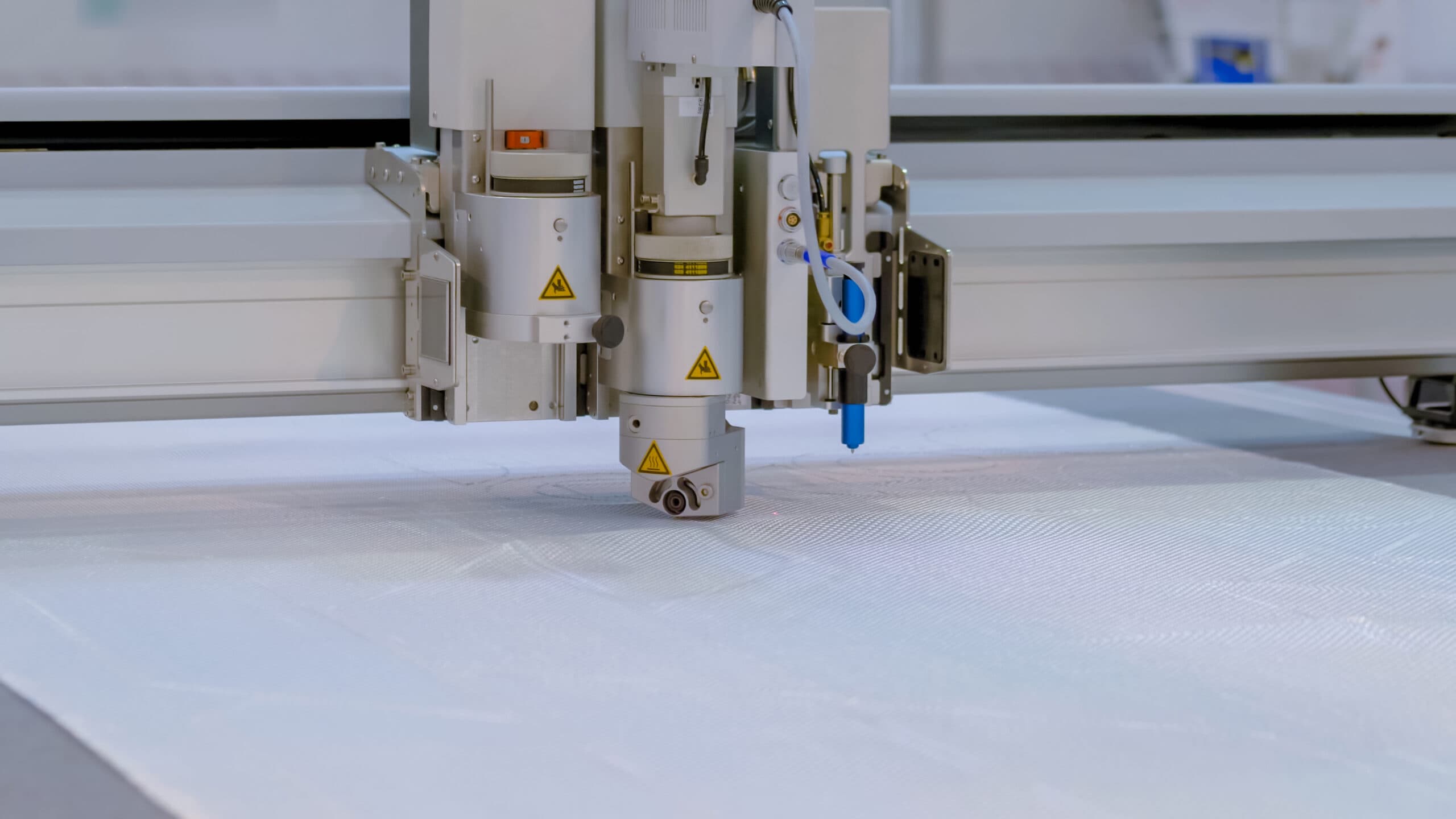
A good electrical insulator does several jobs at once. It withstands the voltage across it with a safe margin, so its dielectric strength at the thickness you can fit is the first figure to check. It keeps that strength at the running temperature for the equipment's life, which a thermal class describes, and it survives cutting, creasing and vibration without cracking.
Then come the surroundings. Moisture lowers the performance of cellulose papers and fibre, so damp equipment favours films and polypropylene. Where dirt and condensation can bridge two conductors, the comparative tracking index (CTI) matters. Many products need a flame rating such as UL 94 V-0, and some need the insulator to carry heat away as well, which is the job of thermally conductive insulating pads.
No single material does everything: aramid paper and polyimide film take the heat but cost more, flame-retardant polypropylene folds well but stops at about 115°C, and cellulose boards are economical but want dry or oil-filled surroundings.
Nomex® insulation guideComparison
Electrical insulation materials compared.
Typical values, grouped by form. Thin films give far higher kV/mm figures than thick sheet, so compare breakdown voltage at the thickness you will use. Thermal ratings belong to an approved insulation system; these are the ratings each material is typically used at.
Custom shims and insulatorsInsulation materials: typical values
General values, not a specification
| Material | Typical thermal rating | Typical dielectric strength |
|---|---|---|
| Papers and boards | ||
| Nomex® 410 aramid paper | 220°C (UL temperature index); Class H and 220 systems | 18 to 34 kV/mm, by thickness |
| Presspaper and pressboard | Class A (105°C) | About 8 to 12 kV/mm in air; higher in oil |
| Vulcanised fibre | Class A (105°C) | About 6 to 10 kV/mm |
| Films | ||
| Kapton® HN polyimide film | Systems rated 200°C and above; -269°C to +400°C short term | About 300 kV/mm at 25 µm |
| Polyester (PET) film | Class B (130°C), by system | About 280 kV/mm at 23 µm (Polymex® data) |
| Flame-retardant PBT film | By grade; see the data sheet | About 40 kV/mm at 0.25 mm |
| Rigid and formable sheet | ||
| Formex® flame-retardant polypropylene | About 115°C (UL 746B) | About 26 to 87 kV/mm, falling with thickness |
| Polycarbonate sheet | About 105°C to 125°C, by grade | About 15 to 30 kV/mm |
| SRBP (phenolic paper laminate) | Class E (120°C) | About 10 to 15 kV/mm |
| Built-up mica sheet | 500°C and above, by binder | About 15 to 25 kV/mm |
Papers and boards
- Nomex® 410 aramid paper
- 220°C (UL temperature index); Class H and 220 systems
- Typical dielectric strength: 18 to 34 kV/mm, by thickness
- Presspaper and pressboard
- Class A (105°C)
- Typical dielectric strength: About 8 to 12 kV/mm in air; higher in oil
- Vulcanised fibre
- Class A (105°C)
- Typical dielectric strength: About 6 to 10 kV/mm
Films
- Kapton® HN polyimide film
- Systems rated 200°C and above; -269°C to +400°C short term
- Typical dielectric strength: About 300 kV/mm at 25 µm
- Polyester (PET) film
- Class B (130°C), by system
- Typical dielectric strength: About 280 kV/mm at 23 µm (Polymex® data)
- Flame-retardant PBT film
- By grade; see the data sheet
- Typical dielectric strength: About 40 kV/mm at 0.25 mm
Rigid and formable sheet
- Formex® flame-retardant polypropylene
- About 115°C (UL 746B)
- Typical dielectric strength: About 26 to 87 kV/mm, falling with thickness
- Polycarbonate sheet
- About 105°C to 125°C, by grade
- Typical dielectric strength: About 15 to 30 kV/mm
- SRBP (phenolic paper laminate)
- Class E (120°C)
- Typical dielectric strength: About 10 to 15 kV/mm
- Built-up mica sheet
- 500°C and above, by binder
- Typical dielectric strength: About 15 to 25 kV/mm
Typical published values for common grades. The data sheet for the grade we supply applies.
What we cut
Insulation materials we cut.
These are the insulating materials on our current cut list. Presspaper, vulcanised fibre, SRBP, mica and flame-retardant PBT film are available on request: tell us the material or the duty, and we will confirm what we can supply.
Polyester (PET), the most widely used insulation film of all, has its own guide: polyester insulation film covers its grades and the Polymex® dielectric data.
Nomex® is a trademark of Arclin or its affiliates. Kapton® is a registered trademark of its owner. Formex® is a registered trademark of ITW. Lexan™ is a trademark of SABIC. Polymex® is a trademark of PSG. Other names are the trademarks of their owners.
Ask about a materialInsulation materials from PSG
Materials and thicknesses
| Material | Available thicknesses |
|---|---|
| Nomex® aramid paper | 0.050 to 0.760 mm |
| Kapton® polyimide film | 0.023 to 0.125 mm |
| Formex® flame-retardant polypropylene | 0.127 to 1.570 mm |
| Polyester (PET) film | 0.012 to 0.500 mm, by brand |
| Lexan™ polycarbonate sheet | 2.000 to 15.000 mm |
| Thermally conductive insulating pads | 0.150 to 6.350 mm |
| Presspaper, vulcanised fibre, SRBP, mica, PBT film | On request |
| Cutting | Die cut, laser cut or water jet cut, by material and quantity |
- Nomex® aramid paper
- 0.050 to 0.760 mm
- Kapton® polyimide film
- 0.023 to 0.125 mm
- Formex® flame-retardant polypropylene
- 0.127 to 1.570 mm
- Polyester (PET) film
- 0.012 to 0.500 mm, by brand
- Lexan™ polycarbonate sheet
- 2.000 to 15.000 mm
- Thermally conductive insulating pads
- 0.150 to 6.350 mm
- Presspaper, vulcanised fibre, SRBP, mica, PBT film
- On request
- Cutting
- Die cut, laser cut or water jet cut, by material and quantity
Other materials and thicknesses on request.
Papers and boards
Insulating papers and boards: Nomex®, presspaper and vulcanised fibre.
The traditional slot, layer and barrier insulation in motors and transformers: tough, creasable and receptive to varnish and oil.
Nomex® aramid paper
The high-temperature paper: it does not melt, is self-extinguishing and suits Class H and 220 systems. See our Nomex® paper and insulation guide.
Presspaper and pressboard
Dense cellulose sheet, punched, creased and formed into slot and layer insulation. Economical at Class A (105°C), and standard inside oil-filled transformers, where the oil impregnates it.
Vulcanised fibre
Hard, tough, arc-resistant treated cellulose in red, grey or black, for washers, terminal boards and arc barriers. It takes up water, so keep it dry.
Paper and film laminates
Paper bonded to polyester film adds the film's dielectric strength to the paper's tear resistance, for slot insulation in Class E to H machines.
Films
Insulation films: Kapton®, polyester and PBT.
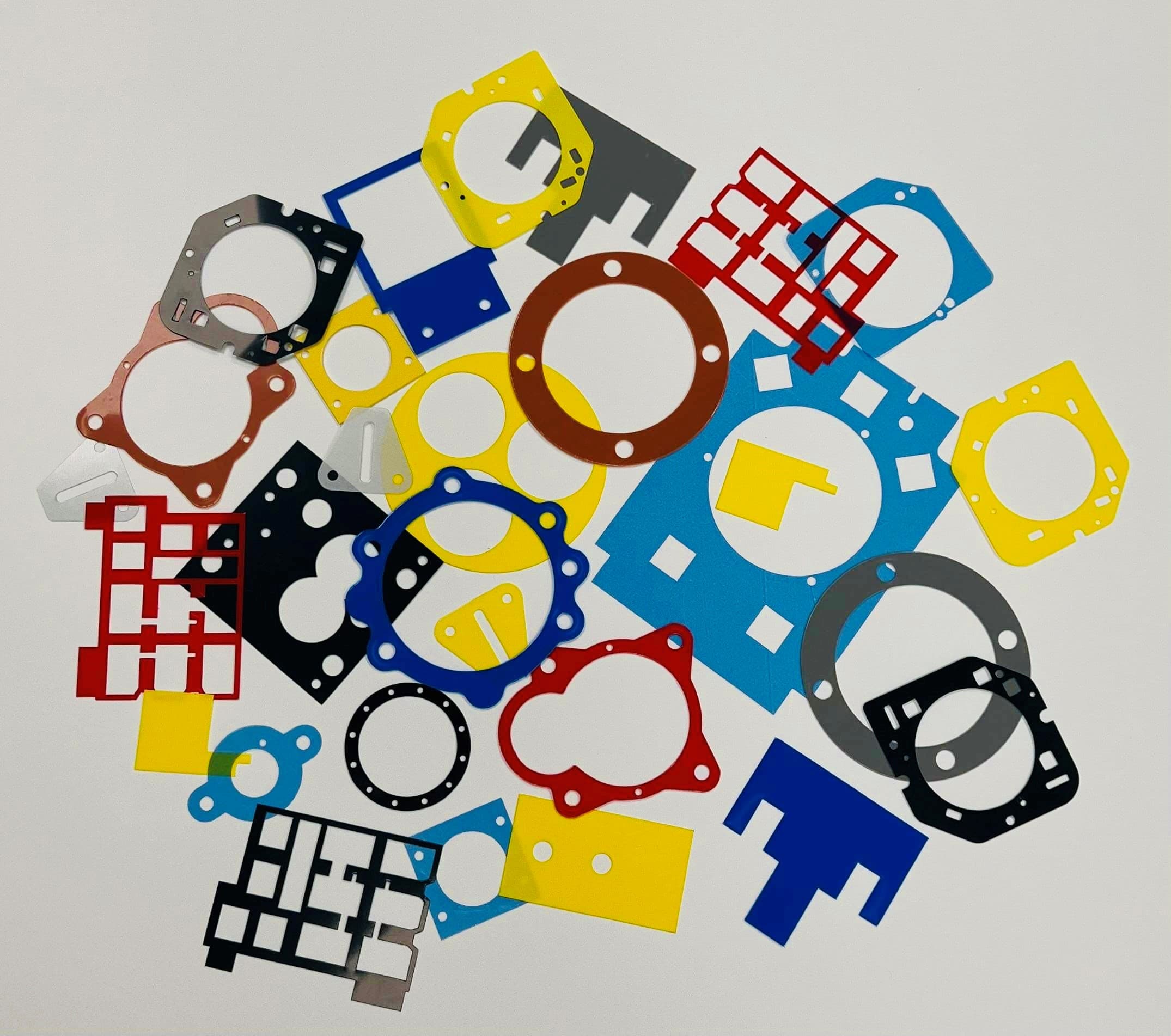
Films give the highest dielectric strength per millimetre of any insulating form, so they suit tight spaces: thin barriers, wraps, washers, flexible circuits and insulators on circuit boards.
Polyester covers most duties up to Class B (130°C) at low cost. Kapton® polyimide film takes over above that: it has no melting point, is inherently flame retardant and stays flexible from cryogenic cold to several hundred degrees, at a price. Our Kapton® polyimide film guide covers it in detail. Flame-retardant PBT film, rated UL 94 VTM-0, is a further option for power supply and circuit board insulation.
Kapton® polyimide filmRigid and formable sheet
Rigid and formable insulation sheet: Formex®, polycarbonate, SRBP and mica.
For insulators that must stand up on their own or fold into a box.
Formex® flame-retardant polypropylene
Polypropylene sheet rated UL 94 V-0 (VTM-0 in the thinnest gauges), with very low water absorption and high tracking resistance. It scores and folds without cracking, so a flat die-cut blank becomes a three-dimensional insulator or enclosure liner.
Polycarbonate
Tough sheet for barriers, covers and guards, with flame-retardant grades for electrical use; see engineering plastics cut to shape.
SRBP
A rigid, economical phenolic paper laminate for terminal boards, spacers and supports at Class E (120°C). It is brittle under impact.
Mica
Built-up mica sheet works far above any polymer, for heater and high-temperature insulation. It is rigid and cracks if bent.
Thermal classes
Insulation thermal classes explained.
A thermal class is the highest temperature at which an insulation system is expected to give an acceptable life. IEC 60085 names the classes by temperature, though the letters remain in common use. The rating belongs to the system as tested, with its wire, varnish and insulators together.
A motor with Class F insulation run at a Class B temperature rise gains a margin that extends its life.
Talk to our technical teamThermal classes (IEC 60085)
General guidance, not a specification
| Class | Highest temperature | Materials typically used |
|---|---|---|
| Y (90) | 90°C | Unimpregnated paper and cotton |
| A (105) | 105°C | Presspaper, vulcanised fibre |
| E (120) | 120°C | SRBP |
| B (130) | 130°C | Polyester film and laminates |
| F (155) | 155°C | Aramid and polyester laminates |
| H (180) | 180°C | Nomex® paper, polyimide film |
| N (200) | 200°C | Nomex® paper, Kapton® film |
| R (220) | 220°C | Nomex® 410, Kapton® film |
| 250 | 250°C | Mica and glass-based systems |
- Y (90)
- 90°C
- Materials typically used: Unimpregnated paper and cotton
- A (105)
- 105°C
- Materials typically used: Presspaper, vulcanised fibre
- E (120)
- 120°C
- Materials typically used: SRBP
- B (130)
- 130°C
- Materials typically used: Polyester film and laminates
- F (155)
- 155°C
- Materials typically used: Aramid and polyester laminates
- H (180)
- 180°C
- Materials typically used: Nomex® paper, polyimide film
- N (200)
- 200°C
- Materials typically used: Nomex® paper, Kapton® film
- R (220)
- 220°C
- Materials typically used: Nomex® 410, Kapton® film
- 250
- 250°C
- Materials typically used: Mica and glass-based systems
Formex® sits between classes A and E, at about 115°C (UL 746B).
Making insulators
Making insulators: die cut, creased, folded, laminated and self-adhesive.
Most insulators start as a flat blank; how it is finished decides how easily it fits.
- 01
Choose the material
We start from the voltage, thermal class, flame rating and space available, working from your drawing or a sample.
- 02
Cut the blank
Production runs are die cut for clean, repeatable edges; prototypes can be laser cut without a tool.
- 03
Crease for folding
Crease lines formed as the blank is cut let papers and Formex® fold cleanly, into a cuffed slot liner or a box.
- 04
Laminate or add adhesive
Paper and film laminates combine properties no single sheet has, and a self-adhesive backing holds the insulator in place: parts can be kiss cut on a liner to peel and fit.
Applications
Where our insulators are used.
Wherever current must be kept to its own path, often in equipment that runs hot.
- Energy & Renewables
Motors
Motor slot liners and phase barriers
Slot liners, closures and phase separators for motors and generators.
Transformers
Transformers and chokes
Layer, barrier and end insulation for dry-type and oil-filled transformers.
Electronics
Power supplies and circuit boards
Flame-rated insulating sheets under boards and between components.
- Automotive
Batteries
Battery packs
Cell wraps, barriers and module insulation for vehicle battery packs.
- Aerospace
Aerospace
Aircraft electrical systems
Insulators for power, actuation and avionics.
- Industrial
Lighting
Lighting and controls
Insulators for drivers, control gear and luminaires.
Electrical insulation FAQs
Electrical insulation questions, answered.
Can't find what you need? Our technical team is happy to help.
What is the best electrical insulation material?
No single material is best: it depends on the voltage, temperature, space and environment. Polyester film covers most insulation up to 130°C at low cost; Nomex® paper and Kapton® film take over above that; Formex® suits folded, flame-rated insulators in damp conditions; and presspaper is economical in oil-filled transformers. Tell us the duty and we will recommend one.
What do insulation classes mean?
A thermal class is the highest temperature at which an insulation system is expected to last its intended life, from Y (90°C) through A, E, B and F to H (180°C), 200°C, 220°C and above. The class is earned by the whole system as tested, so check that each insulator is approved for yours.
What is Formex®?
Formex® is a flame-retardant polypropylene insulation sheet made by ITW. It is rated UL 94 V-0 from grade GK-17 (0.43 mm) up and VTM-0 below, absorbs almost no water, resists tracking and folds without cracking, so it is a common choice for folded insulators, barriers and enclosure liners in power supplies and electronics. We cut it from 0.127 to 1.570 mm.
Can insulators be creased and folded?
Yes. Nomex®, presspaper, polyester and polyimide films and Formex® sheet can be creased as they are cut, so they fold accurately in assembly. Rigid laminates such as SRBP and mica cannot be folded. Show the fold lines on your drawing, and which way each one folds.
Do you supply UL-recognised materials?
Many materials we cut, including Nomex® 410, Kapton® HN and Formex®, are recognised by UL as components under their manufacturers' files. Recognition belongs to the material grade and, for a thermal class, to the approved insulation system. Tell us the UL file or rating you need, and we will confirm the grade and documents we can supply.
Which insulation materials are used in battery packs?
Battery packs mostly use thin, flame-rated films and sheet: polyester and polyimide films for cell wraps and barriers, flame-retardant polypropylene for module liners and covers, and aramid paper where temperatures run higher. Our energy and renewables sector page covers the battery and fuel cell parts we supply.
Have an insulator to make?
Send us the drawing, the voltage, the thermal class and the flame rating your product needs, and our technical team will recommend a material and quote for the cut parts.
Gasket and shim materials
More materials and methods
Kapton® is a registered trademark of its owner. Nomex® is a trademark of Arclin or its affiliates. Gap Pad® is a trademark of Henkel. Sil-Pad® is a trademark of Henkel. Other names are the trademarks of their owners.
- Read more
Electrical insulation and thermal
Nomex® insulation
Aramid paper and pressboard for motors and transformers.
- Read more
Electrical insulation and thermal
Kapton® polyimide film
High-temperature film cut into insulators and shims.
- Read more
Electrical insulation and thermal
Thermal interface materials
Gap Pad® and Sil-Pad® cut to your component.
- Read more
Gasket and sealing materials
Rubber gaskets
Every common elastomer compared, plus insertion, natural and butyl rubber.
- Read more
Plastics and components
Engineering plastics
Nylon, acetal, polycarbonate and PVC parts to drawing.
- Read more
Cutting methods
Die cutting
Flatbed and rotary die cutting, prototype to volume.
- Read more
Reference
Types of shims
Shim materials, shapes and stacks, and how to specify one.
- Read more
Overview
Gasket and shim materials
Every material we cut, compared in one place.
Our customers