
Electrical insulation film
Polyester film for electrical insulation and electronics.
Polyester film is one of the most widely used electrical insulation materials, from the slot liners in a motor to the membrane switch on a control panel. We supply PET insulation film and convert it into reels, sheets and die-cut insulators.
Why polyester
Why polyester film is a standard insulation material.
PET film combines high dielectric strength with mechanical toughness, so a thin layer insulates reliably and survives the handling, folding and insertion that assembly demands. It keeps its properties across a wide temperature range, resists oils, varnishes and most solvents, and absorbs very little moisture, so its insulating performance stays stable in service.
Those properties have made polyester film the default choice for slot and phase insulation in motors, wrap insulation in transformers and cables, and the substrate for membrane switches and flexible circuits. Where higher temperatures are involved, insulation systems may call for heat-stabilised or flame-retardant PET, or a higher-temperature film such as polyimide.
Polyester film gradesApplications
Electrical and electronic applications of polyester film.
Motors
Motor slot and phase insulation
Slot liners, closures and wedges, and phase insulation between windings, including hermetic compressor motors.
Transformers
Transformer and coil insulation
Layer and wrap insulation for coils and transformers, and conductor wrap in distribution equipment.
Cables
Cable and wire wrap
Thin-gauge film used as a wrap and mechanical barrier when cables are formed.
- Energy & Renewables
Batteries
Battery and cell insulation
Insulating layers and die-cut barriers for battery cells, modules and energy storage.
Electronics
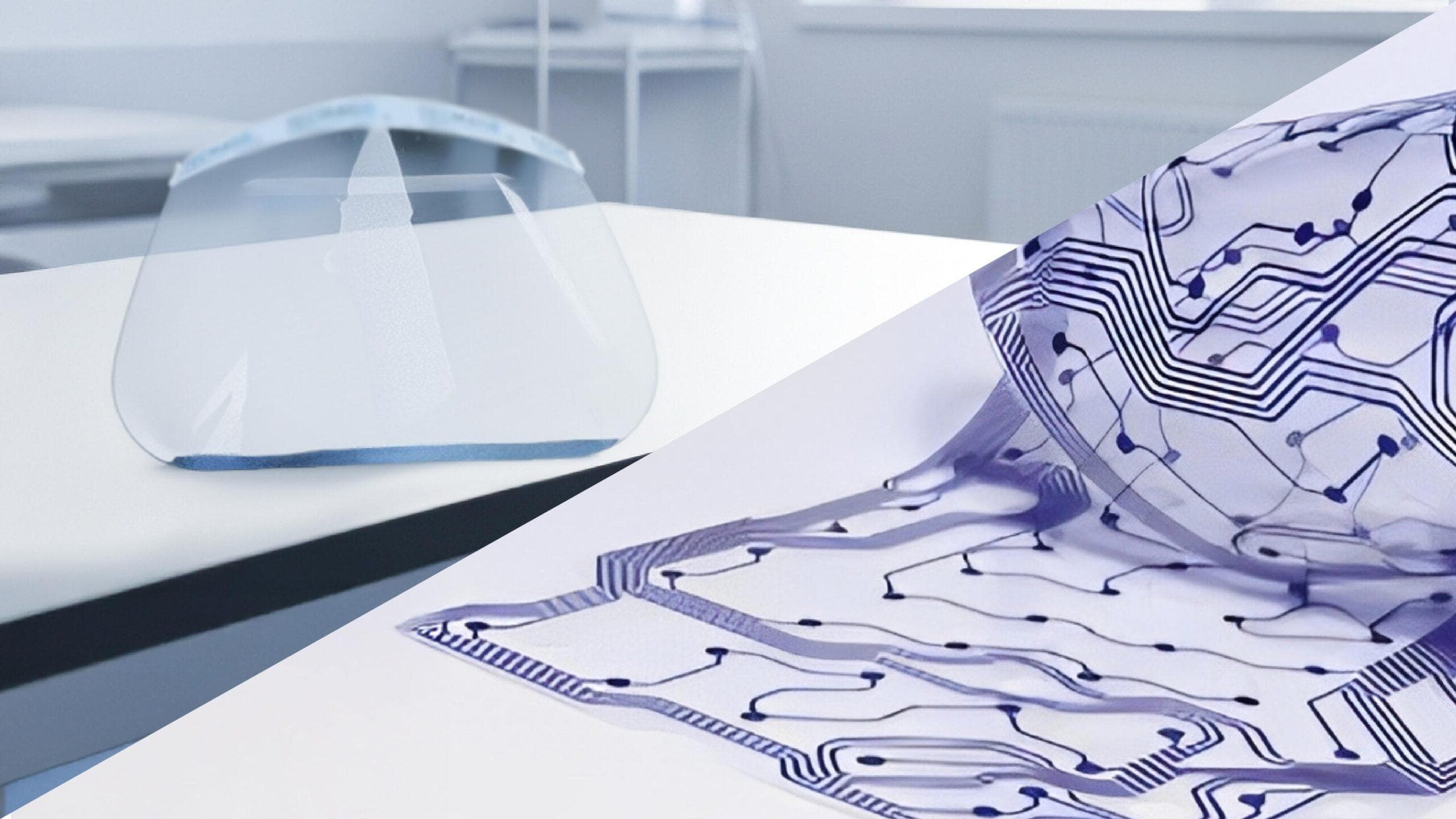
Membrane switches and circuits
Heat-stabilised PET as the substrate for membrane switches, flexible printed circuits, printed electronics and their graphic overlays.
- Custom shims
Components
Die-cut insulators and spacers
Insulating washers, spacers, shims and barriers cut to drawing in polyester and other films.
Electrical data
Electrical and thermal properties of Polymex® polyester.
These are PSG's published values for Polymex® polyester film. Dielectric strength rises with thickness, so choose the thickness from the voltage the insulation must withstand, with the safety margin your design standard requires.
For insulation systems with a thermal class rating, the film must be approved as part of that system. Tell us the system and its rating, and we will advise on suitable grades.
Full Polymex® data sheetPolymex® polyester
0.012 mm to 0.350 mm (0.0005″ to 0.014″)
| Property | Value (MD / TD) | Test method |
|---|---|---|
| Electrical | ||
| Dielectric strength | 6.4 kV (23 µm), 16 kV (125 µm), 23 kV (250 µm) | ASTM D 149 |
| Surface resistivity | > 10¹³ Ω/sq | Not applicable |
| Thermal | ||
| Service temperature | −70°C to 130°C | Not applicable |
| Melting point | 265°C | Not applicable |
| Coefficient of thermal expansion (20°C to 50°C) | MD19 × 10⁻⁶ cm/cm/°CTD19 × 10⁻⁶ cm/cm/°C | Not applicable |
| Shrinkage (after 5 minutes at 190°C) | MD3%TD3% | Not applicable |
Electrical
- Dielectric strength
- 6.4 kV (23 µm), 16 kV (125 µm), 23 kV (250 µm)
- Test method: ASTM D 149
- Surface resistivity
- > 10¹³ Ω/sq
Thermal
- Service temperature
- −70°C to 130°C
- Melting point
- 265°C
- Coefficient of thermal expansion (20°C to 50°C)
- MD19 × 10⁻⁶ cm/cm/°CTD19 × 10⁻⁶ cm/cm/°C
- Shrinkage (after 5 minutes at 190°C)
- MD3%TD3%
Typical values for guidance. MD: machine direction. TD: transverse direction.
Grades for insulation
Choosing a polyester insulation film.
Most insulation uses clear or hazy general-purpose PET. These variations cover more demanding jobs.
Heat-stabilised PET
Low shrinkage when heated, for processes and assemblies that see elevated temperatures.
Flame-retardant PET
Formulated for flame resistance in insulation, flexible circuits and cable applications.
Thin capacitor grades
Very thin films, down to a few microns, made for wound and stacked capacitors.
White, black and coloured film
Opaque films for identification, light blocking and colour-coded insulation.
Higher-temperature alternatives
Polyimide film such as Kapton®, which we also cut into precision components, for temperatures beyond polyester's range.
Beyond polyester
Hotter duties: Kapton®, Nomex® and other insulators.
Polyester film covers most insulation up to Class B (130°C) at a fraction of the cost. Above that, near soldering heat or in the cold, Kapton® polyimide film and Nomex® meta-aramid paper take over, and we cut both into slot liners, insulators, washers and shims.
Our guide to electrical insulation materials compares every insulator we cut, from papers and films to flame-retardant sheet, by thermal class and dielectric strength.
Kapton® is a registered trademark of its owner. Nomex® is a trademark of Arclin or its affiliates.
Electrical insulation materialsInsulation film FAQs
Electrical insulation film questions, answered.
Can't find what you need? Our technical team is happy to help. Kapton® is a trademark of DuPont.
Is polyester film a good electrical insulator?
Yes. PET film has high dielectric strength and high surface resistivity, absorbs very little moisture and keeps its properties across a wide temperature range, which is why it is a standard insulation material for motors, transformers, cables and electronics.
What is the dielectric strength of polyester film?
It depends on thickness. Polymex® polyester is published at 6.4 kV at 23 microns, 16 kV at 125 microns and 23 kV at 250 microns when tested to ASTM D 149.
What temperature class is polyester film?
Polymex® polyester is published for service from minus 70°C to 130°C. In rated insulation systems the class depends on the approved system as a whole, and some polyester films are used in systems rated higher. Tell us your system and we will advise.
What is the difference between polyester and polyimide (Kapton) film?
Polyimide withstands much higher temperatures than polyester but costs considerably more. Polyester covers most motor, transformer, cable and electronics insulation, and polyimide is used where temperatures exceed what polyester can take.
Is polyester film flame retardant?
Standard PET will burn if exposed to flame. Flame-retardant grades are made for applications that require them, such as some insulation and flexible circuit uses.
Can you cut insulators to our drawing?
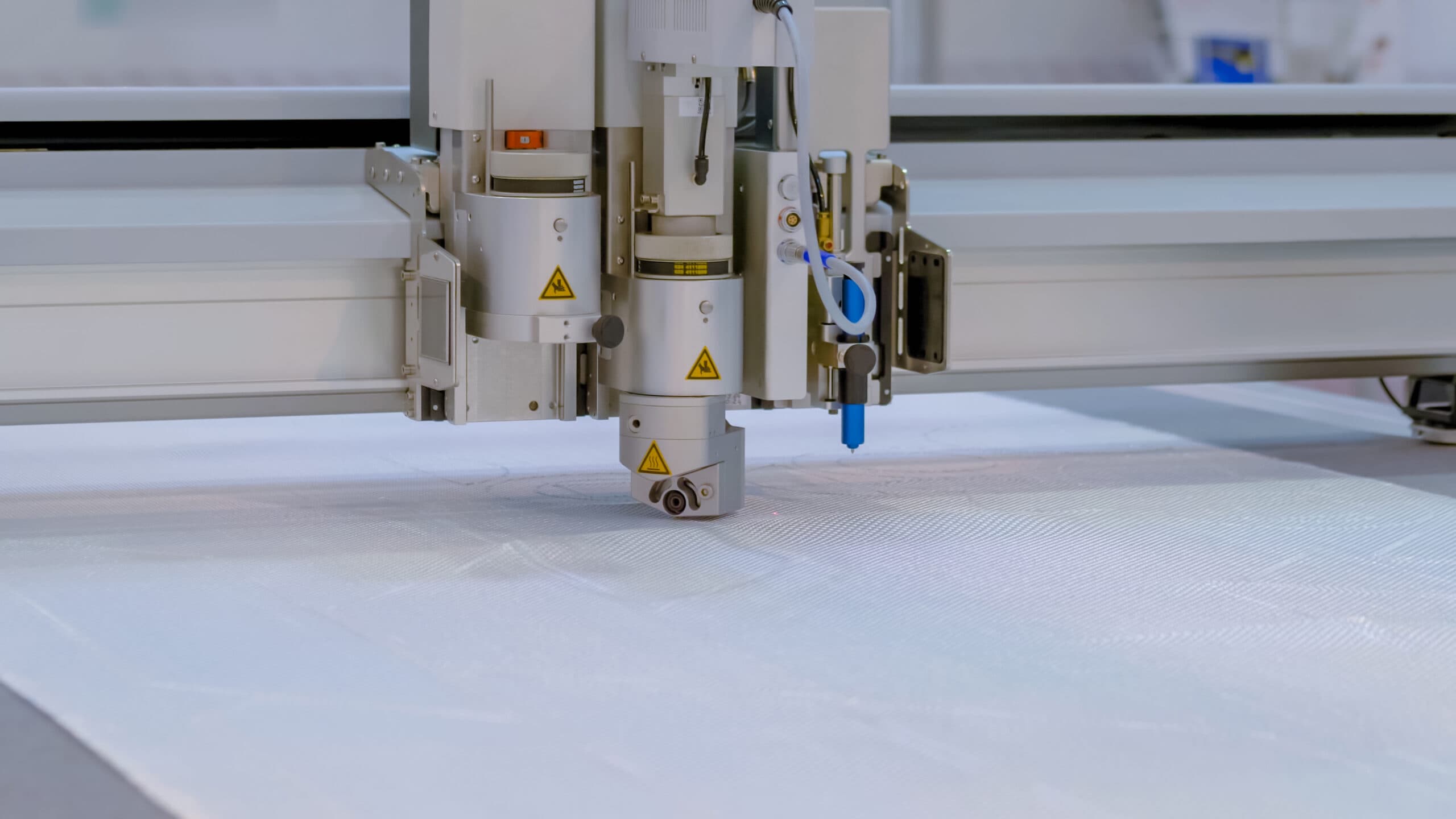
Yes. We cut insulating washers, spacers, barriers and slot liners to drawing by die cutting, laser cutting and other methods, alongside our film slitting and sheeting. Send us your drawing for a quote.
Have an insulation drawing or specification?
Send it to our technical team for a quote on film, slit reels, sheets or cut insulators.
Polyester film
More on polyester film
- Read more
Overview
Polyester (PET) film
Grades, converting, applications and quality in one place.
- Read more
Converting
Slitting and sheeting
Slit reels, sheets, cores, die-cut parts and corona treatment.
- Read more
Specifying
Film grades and finishes
Clear, matt, white, metallised, treated and speciality grades.
- Read more
Packaging
Packaging and carton windows
Window, lidding, heat-sealable and recycled-content films.
- Read more
Conservation
Archival and conservation
Inert polyester for encapsulation, sleeves and storage.
- Read more
Print
Graphics, labels and print
Print-receptive, white, matt and display films.
- Read more
Industrial
Industrial and medical
Release liners, visors, shims, spacers and device parts.


