

Gasket paper and fibre
Gasket paper and compressed fibre gaskets.
Compressed fibre is the workhorse of the bolted flange: firm, heat resistant and able to hold a pipe joint under pressure. We cut compressed non-asbestos fibre gaskets, including Klingersil®, to your drawing, and advise on gasket paper and fibre washers for lighter duties.
- Klingersil® thicknesses we cut for gaskets
- 0.25 to 3 mm
- Typical upper limit of compressed fibre, by grade
- 250°C to 400°C

Fibre jointing
Fibre gasket materials explained.
Fibre gaskets are fibres locked together by a binder and pressed into sheet, in three main families. Compressed non-asbestos fibre (CNAF) bonds aramid, glass or mineral fibres with nitrile or another rubber, calendered into a dense, firm sheet. Gasket paper, or vegetable fibre jointing, bonds plant fibres with glue and glycerine for low-pressure oil, fuel and water joints. Vulcanised fibre is cellulose paper fused into a hard, tough sheet, used mainly for washers and insulating parts.
What they share is firmness: a fibre gasket compresses only a little, so it is not squeezed out of a bolted flange and can hold internal pressure. The fibre and the binder decide how much heat, pressure and chemical attack it takes.
Fibre is one option among several for a flange. For aggressive chemicals, a PTFE gasket is often the better choice, and our gasket material chart compares fibre with rubber, PTFE and cork.
Fibre and other materials comparedProperties
Fibre gasket materials compared.
These typical values compare the three fibre families at the design stage; the data sheet for the grade we supply applies to your part.
For compressed fibre, never read the maximum temperature and pressure separately. A grade that holds a high pressure cold may hold a fraction of it near its temperature limit, which is why each grade and thickness has a pressure and temperature chart.
Fibre gaskets cut to your drawingFibre gasket materials: typical properties
General values, not a specification
| Property | Typical value |
|---|---|
| Compressed non-asbestos fibre (CNAF) | |
| Fibres and binder | Aramid, glass, carbon or mineral fibres; nitrile or other rubber binder |
| Upper temperature | About 250°C to 400°C peak, by grade; lower in steam |
| Pressure | Up to about 40 to 100 bar, by grade, thickness and temperature |
| Compressibility (ASTM F36) | About 7% to 13% |
| Suits | Water, steam, oils, fuels, gases and many mild chemicals, by grade |
| Gasket paper (vegetable fibre) | |
| Fibres and binder | Cellulose fibres; glue and glycerine binder |
| Service temperature | About -20°C to +120°C |
| Pressure | Low: up to about 20 bar |
| Suits | Oils, fuels, petrol, water and coolant at moderate temperature |
| Vulcanised fibre | |
| Make-up | Cellulose paper fused into a hard, dense sheet |
| Density | About 1.1 to 1.5 g/cm³ |
| Service temperature | Up to about 110°C |
| Electric strength | Above about 6 kV/mm when dry |
| Suits | Oils, fuels, gases and solvents; absorbs water and swells |
Compressed non-asbestos fibre (CNAF)
- Fibres and binder
- Aramid, glass, carbon or mineral fibres; nitrile or other rubber binder
- Upper temperature
- About 250°C to 400°C peak, by grade; lower in steam
- Pressure
- Up to about 40 to 100 bar, by grade, thickness and temperature
- Compressibility (ASTM F36)
- About 7% to 13%
- Suits
- Water, steam, oils, fuels, gases and many mild chemicals, by grade
Gasket paper (vegetable fibre)
- Fibres and binder
- Cellulose fibres; glue and glycerine binder
- Service temperature
- About -20°C to +120°C
- Pressure
- Low: up to about 20 bar
- Suits
- Oils, fuels, petrol, water and coolant at moderate temperature
Vulcanised fibre
- Make-up
- Cellulose paper fused into a hard, dense sheet
- Density
- About 1.1 to 1.5 g/cm³
- Service temperature
- Up to about 110°C
- Electric strength
- Above about 6 kV/mm when dry
- Suits
- Oils, fuels, gases and solvents; absorbs water and swells
Typical published values. Fibre ratings depend on temperature and pressure together, so check the pressure and temperature chart for the grade we supply.
What we cut
Fibre gaskets and washers we cut.
Klingersil® compressed fibre is one of our most popular gasket materials, and we cut it in the thicknesses below. Tell us the flange or the part, the medium, the temperature and the pressure, and we will confirm the grade and the cutting method.
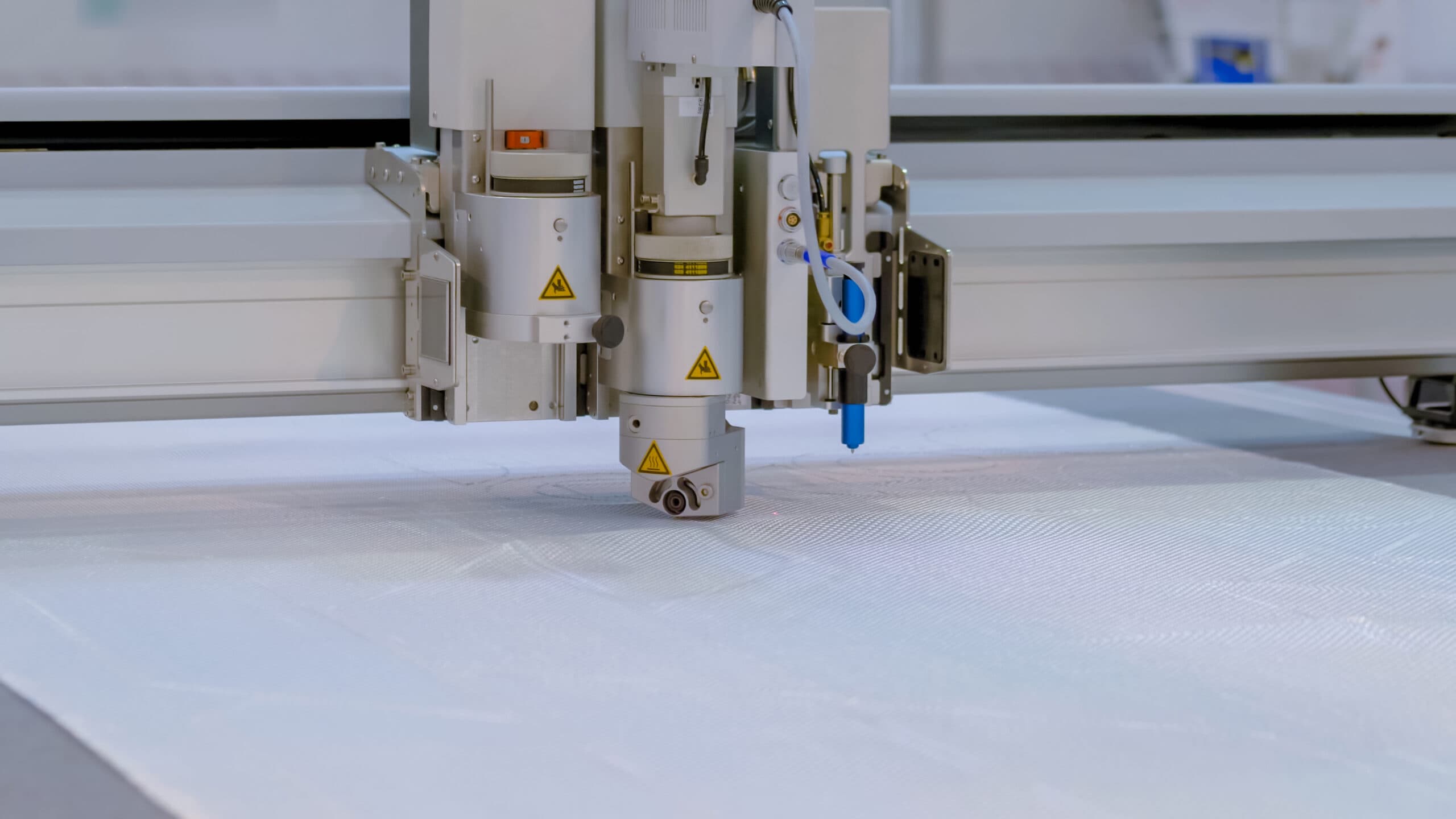
Thin fibre sheet cuts cleanly with a press tool, so die cutting suits repeat orders of flange gaskets and washers. For gasket paper and vulcanised fibre, ask us about current availability and thicknesses.
Klingersil® is a trademark of Klinger. Other names are the trademarks of their owners.
Cut to your drawing
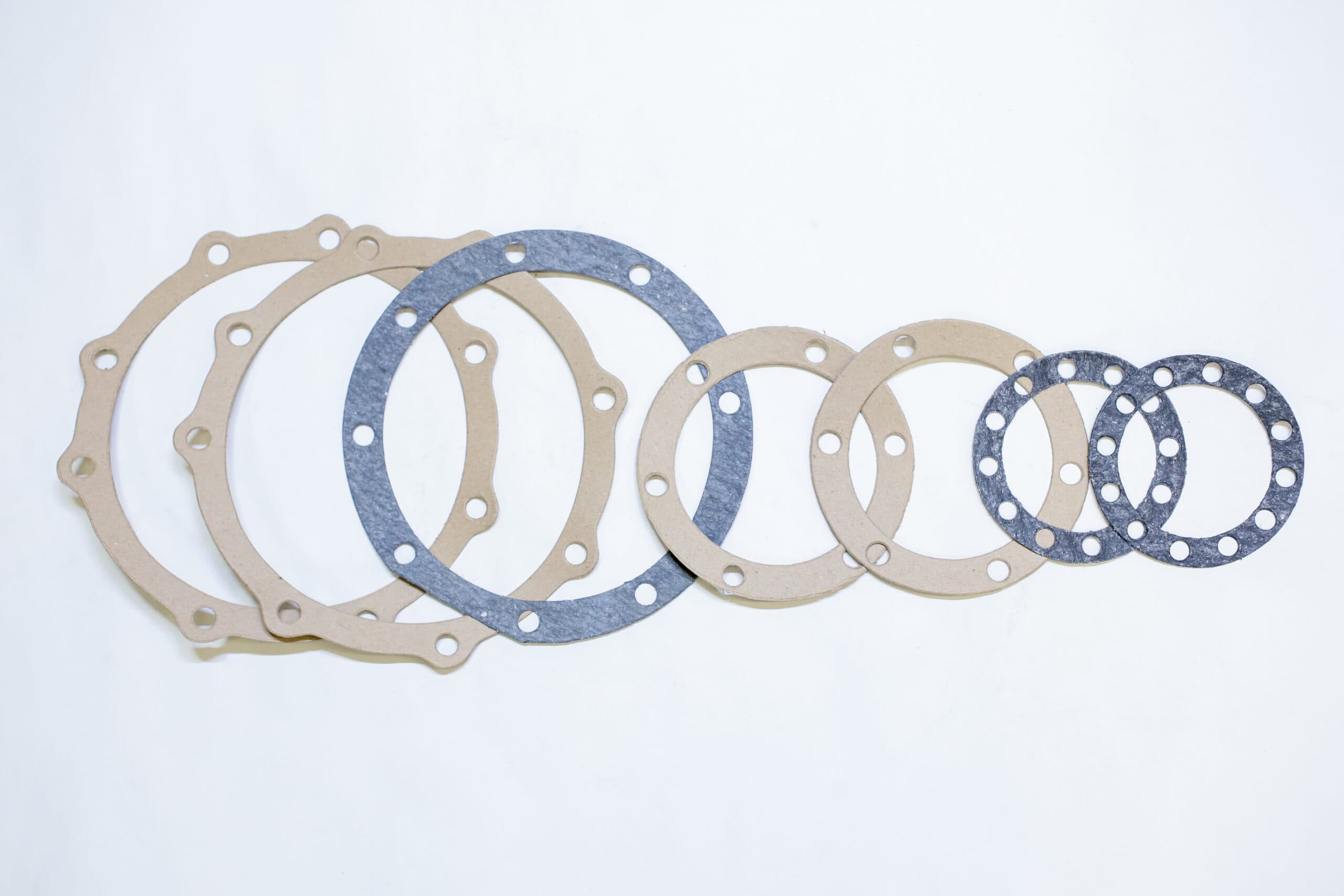
Full-face and ring gaskets, cover gaskets, washers and complex profiles.
Grade advice
We match the grade to the temperature, the pressure and the medium.
Fibre jointing from PSG
Materials and thicknesses
| Material | Available thicknesses |
|---|---|
| Klingersil® compressed non-asbestos fibre | 0.250 to 3.000 mm |
| Gasket paper (vegetable fibre) | On request |
| Vulcanised fibre | On request |
| Parts | Full-face and ring flange gaskets, cover gaskets and washers |
| Cutting | Die cut; other methods by size and quantity |
- Klingersil® compressed non-asbestos fibre
- 0.250 to 3.000 mm
- Gasket paper (vegetable fibre)
- On request
- Vulcanised fibre
- On request
- Parts
- Full-face and ring flange gaskets, cover gaskets and washers
- Cutting
- Die cut; other methods by size and quantity
Other grades and thicknesses on request.
Compressed fibre
Compressed non-asbestos fibre and Klingersil®: grade and thickness.
Compressed fibre is the standard flange gasket on pipework, pumps and valves across industrial plant, building services and marine and offshore systems. Grades differ mainly in their fibres and binder. Aramid fibre with a nitrile binder is the general-purpose choice for water, oils, fuels and low-pressure steam. Glass, carbon, mineral and graphite grades take higher temperatures, and other binders resist particular chemicals. Klingersil® is Klinger's range of compressed fibre sheet; we confirm the grade for your duty with the quotation.
Thickness matters as much as grade. A thin gasket, 1.5 mm or less, holds more pressure and relaxes less under heat; keep 2 to 3 mm for rough, worn or uneven faces.
Fit compressed fibre clean and dry: paste or grease reduces the friction that holds it in place and can let it creep out under pressure. Tighten the bolts evenly, in stages, and replace the gasket whenever the joint is opened.
Use the thinnest fibre gasket the flange faces allow.Talk to our technical team
Paper and washers
Gasket paper and vulcanised fibre washers.
For low-pressure covers and small sealing washers, a thinner and cheaper fibre than compressed sheet often does the job.
Vegetable fibre gasket paper
Seals oil, fuel and water at moderate temperature and low pressure on pump, thermostat and timing covers and small housings. The thin, slightly compressible sheet takes up minor flange marks.
Vulcanised fibre washers
Hard, tough washers for fuel, oil and gas fittings, drain plugs and unions. They absorb moisture and swell, so they are not used for continuous hot water or steam.
Insulating fibre washers and spacers
Dry vulcanised fibre resists tracking and arcing. Our guide to custom washers and spacers explains how to specify them.
Asbestos-free
From asbestos to modern fibre jointing.
For most of the twentieth century, flange gaskets were cut from compressed asbestos fibre, known as CAF. Asbestos was cheap, heat resistant and easy to cut, but its fibres cause fatal lung disease, and the UK banned the import, supply and use of all types of asbestos in 1999. Every fibre jointing material sold in the UK today is asbestos free, and so is everything we cut.
The first non-asbestos sheets used aramid fibre with a nitrile binder; modern ranges add glass, carbon, mineral and graphite grades for heat, steam and chemicals. They are less forgiving at high temperature than CAF, so a joint that once ran on CAF should be specified on its duty, not replaced like for like on thickness alone.
Old gaskets in older plant and engines may still contain asbestos. If there is any doubt, do not cut, scrape or send an old gasket as a pattern: have it assessed and removed under the Control of Asbestos Regulations 2012, and send us a drawing or the flange dimensions instead.
Specify a replacement for an old asbestos joint on its duty, not just its thickness.Send us your drawing
Flange gaskets
Flange gaskets: full face and ring, what to tell us.
We cut flange gaskets to your drawing or dimensions. For a quick, accurate quotation, tell us these five things.
- 01
Full face or ring
A full-face gasket covers the whole face, bolt holes included, for flat-faced flanges. A ring gasket sits inside the bolts on a raised-face flange.
- 02
The dimensions or the standard
Give the inside and outside diameters, the bolt circle and the number and size of holes. If you work to a flange standard, name it with the nominal size and pressure class, and we will confirm the dimensions with the quotation.
- 03
The duty
The medium, the highest and lowest temperature, the working and test pressures, and whether the joint sees steam or heat cycles.
- 04
The thickness
Usually 1.5 mm or less for smooth faces and 2 to 3 mm for rough or worn ones. An old joint's thickness is a starting point, not the answer.
- 05
Quantity and timing
How many, and whether it is a one-off, a shutdown batch or a repeat part.
Fibre gasket FAQs
Fibre gasket questions, answered.
Can't find what you need? Our technical team is happy to help.
What is gasket paper made of?
Traditional gasket paper is made from vegetable or cellulose fibres held together by a binder of glue and glycerine, treated so that oil and water do not dissolve it. It is thin, slightly compressible and inexpensive, and seals oil, fuel and water joints at low pressure and moderate temperature.
What replaced asbestos gaskets?
Compressed non-asbestos fibre, or CNAF, replaced compressed asbestos fibre in most flange gaskets. It uses aramid, glass, carbon or mineral fibres with a rubber binder. Graphite and PTFE sheet took over some of the hotter and more chemically aggressive duties. All asbestos has been banned in the UK since 1999, so every jointing material sold here today is asbestos free.
What is Klingersil®?
Klingersil® is a range of compressed non-asbestos fibre gasket sheet made by Klinger. Its grades combine different fibres and binders for duties from water and oil to steam, gases and chemicals. It is one of our most popular gasket materials: tell us your duty and we will confirm the grade.
Gasket paper or compressed fibre?
Use gasket paper for low-pressure covers and housings carrying oil, fuel or water below about 120°C, where low cost and a little give matter. Use compressed fibre for pipe flanges, for pressure, for steam and for higher temperatures. For a thin pressed cover that bows between its bolts, bonded cork may suit better than either.
Do you cut flange gaskets to standard sizes?
We cut flange gaskets to your drawing or dimensions. If you work to a flange standard, give us the standard, the nominal size, the pressure class and whether you need full-face or ring gaskets, and we will confirm the dimensions with the quotation. Our custom gaskets page lists the other gasket materials we cut.
What are fibre washers used for?
Vulcanised fibre washers seal fuel, oil and gas fittings, drain plugs, unions and connectors, and insulate fasteners and terminals electrically. They are hard enough to clamp firmly and soft enough to bed into the faces. They absorb moisture and swell, which helps them seal in some connectors but rules them out for continuous hot water or steam.
Have a flange or fibre gasket to replace?
Send us the drawing or the flange details, the medium, the temperature and the pressure, and our technical team will recommend a grade and quote for the cut parts.
Gasket and shim materials
More materials and methods
Viton™ is a trademark of The Chemours Company. Other names are the trademarks of their owners.
- Read more
Gasket and sealing materials
Rubber gaskets
Every common elastomer compared, plus insertion, natural and butyl rubber.
- Read more
Gasket and sealing materials
Neoprene gaskets
Solid neoprene, neoprene foam and neoprene-bonded cork.
- Read more
Gasket and sealing materials
Nitrile gaskets
The standard rubber for oil, fuel and hydraulic fluid.
- Read more
Gasket and sealing materials
EPDM gaskets
Weather, water and steam resistant rubber seals.
- Read more
Gasket and sealing materials
Viton™ (FKM) gaskets
Fluoroelastomer seals for fuels, chemicals and heat.
- Read more
Gasket and sealing materials
Silicone gaskets
Solid, sponge and food-grade silicone for heat and cold.
- Read more
Gasket and sealing materials
PTFE gaskets
Chemically inert gaskets, washers and shims.
- Read more
Gasket and sealing materials
Cork gaskets
Nitrile and neoprene bonded cork for covers and housings.
- Read more
Gasket and sealing materials
Foam gaskets
Closed-cell foams and sponge for sealing and cushioning.
- Read more
Electrical insulation and thermal
Electrical insulation materials
Papers, films and sheet cut into insulators.
- Read more
Plastics and components
Engineering plastics
Nylon, acetal, polycarbonate and PVC parts to drawing.
- Read more
Cutting methods
Die cutting
Flatbed and rotary die cutting, prototype to volume.
Our customers